Introduction
What is Navratri? – meaning, essence, and scope
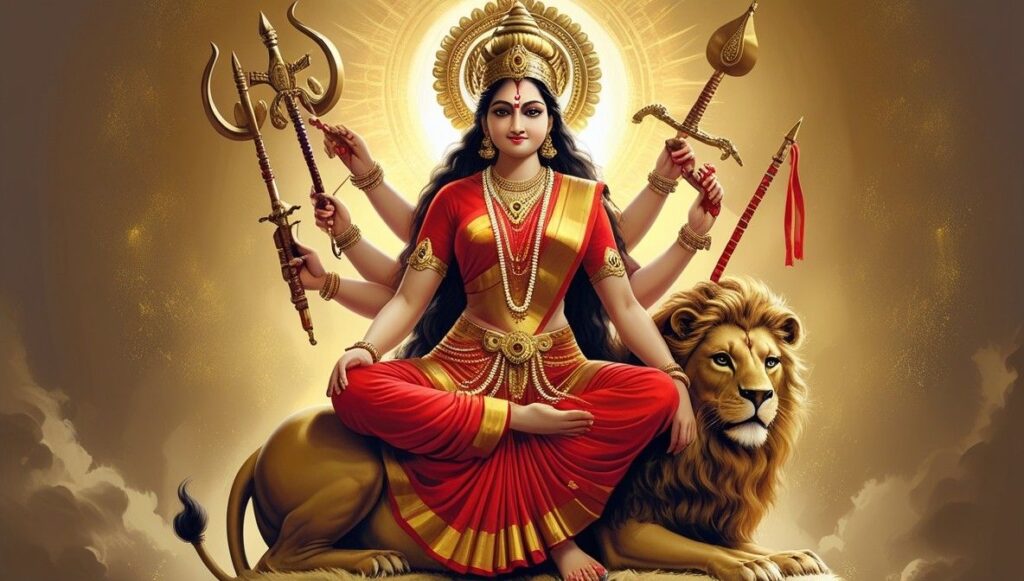
Navratri is a nine-night Hindu festival whose name comes from the Sanskrit words nava (nine) and ratri (nights). It is devoted to the worship of the Divine Feminine—primarily Goddess Durga and her nine forms—and combines ritual worship, fasting, music, dance and community theatre into a single seasonal observance. The festival’s core meaning is cyclical renewal: each night honours a different aspect of power, purity or wisdom, inviting devotees to confront inner obstacles and celebrate the restoration of balance. While the religious spine of Navratri is scriptural and ritual, its lived expression ranges from temple rites and household puja to large public events that include communal dance and storytelling.
Why Navratri is important today – spiritual, cultural, social relevance
Spiritually, Navratri continues to be a concentrated period for focused devotion, fasting and inward work; many people treat it as a seasonal retreat for ethical discipline and renewed spiritual practice. Culturally, the festival is a major carrier of regional identity: in western India the nights explode into communal dance forms such as garba and dandiya, in the east they become elaborate Durga pujas and pandal art, and in the south the festival often centres on doll displays and temple rituals. These different forms make Navratri both intensely local and broadly pan-Indian, so it functions as an annual moment when art, music, costume and food all re-affirm community ties.
Socially and economically, Navratri remains significant because it mobilizes neighbourhoods, artisans and small businesses: from handcrafted chaniya cholis and dandiya sticks to curated navratri gifts and return-token ideas for kanya pujan gifts, the festival sustains livelihoods and revives traditional crafts. At the same time, modern adaptations—large-scale public garba nights, online puja streams, and contemporary gift trends—show how Navratri keeps evolving while preserving its central invitation: a communal celebration of the feminine principle and the perennial victory of renewal over decline.
Origins, Mythology & Philosophy
Ancient Scriptural References (Vedas, Puranas, Epics)
The roots of Navratri run deep into Hindu sacred literature, with early conceptual foundations appearing in the Devi Sukta and Durga Suktam of the Vedas, where the cosmic feminine power (Shakti) is described as the sustaining force of the universe. Although the Vedas mention the divine feminine in a philosophical sense rather than detailing a nine-night festival, the seeds of goddess worship originate there.
The fuller narrative structure of Navratri emerges in later Puranic texts, especially the Markandeya Purana, which contains the Devi Mahatmya. This scripture outlines the triumphs of Goddess Durga over various demons and forms the theological spine of Navratri celebrations. Other texts—like the Skanda Purana, Brahmanda Purana, and Kalika Purana—expand on rituals, names, and manifestations of the Goddess.
Epic literature also reinforces the festival’s importance. In the Ramayana, Rama performs intense prayers to Goddess Durga during the lunar month of Chaitra, and in the Mahabharata, the Pandavas invoke the Divine Mother before the Kurukshetra war. Together, these texts connect Navratri with victory, justice, and cosmic order.
Central Myths Associated with Navratri
Durga’s Battle with Mahishasura
One of the most celebrated stories underlying Navratri is the epic battle between Goddess Durga and the buffalo demon Mahishasura. According to myth, Mahishasura received a boon that no man or god could defeat him. His tyranny spread across the worlds, prompting the gods to combine their powers to create a supreme force—Durga, the embodiment of divine energy and righteousness.
For nine nights and ten days, Durga fought Mahishasura in a cosmic battle symbolizing the triumph of light over darkness and order over chaos. On the tenth day, known as Vijaya Dashami, she finally slays him. Each night of Navratri symbolizes one phase of this divine struggle, representing humanity’s internal fight against ignorance, ego, fear, and negativity. This myth not only forms the basis of ritual worship but also inspires dance, drama, and artistic expressions throughout India.
Rama and the Connection to Chaitra Navratri
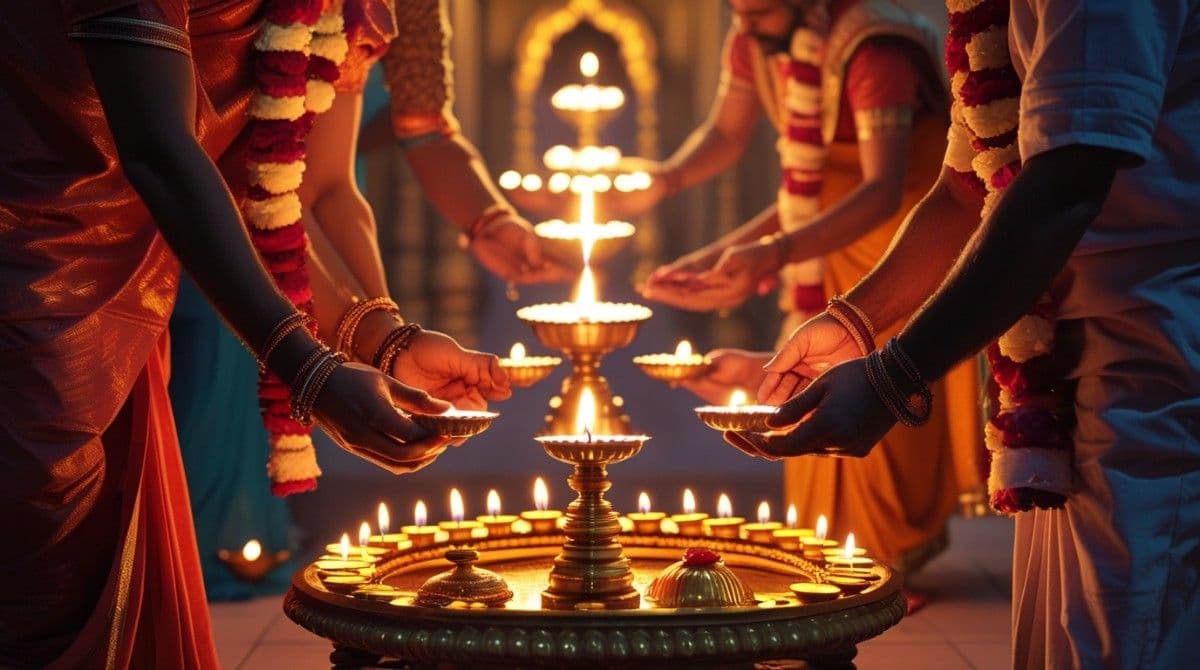
While Sharad Navratri (autumn) is the most widely celebrated, Chaitra Navratri (spring) has a deep connection to Lord Rama. The Ramayana narrates that Rama performed a special nine-night worship of Goddess Durga—known as Akaal Bodhan—to seek her blessings before his final battle with Ravana. This period corresponds to Chaitra Navratri, which culminates in Rama Navami, the birth of Rama.
In this tradition, Navratri becomes a time not only of goddess worship but also of invoking courage, justice, and moral clarity—virtues embodied by Rama. Thus, the festival bridges the worship of Shakti and the virtues of Dharma represented by Rama.
The Philosophical Meaning of the Nine Forms (Nava-Durga)
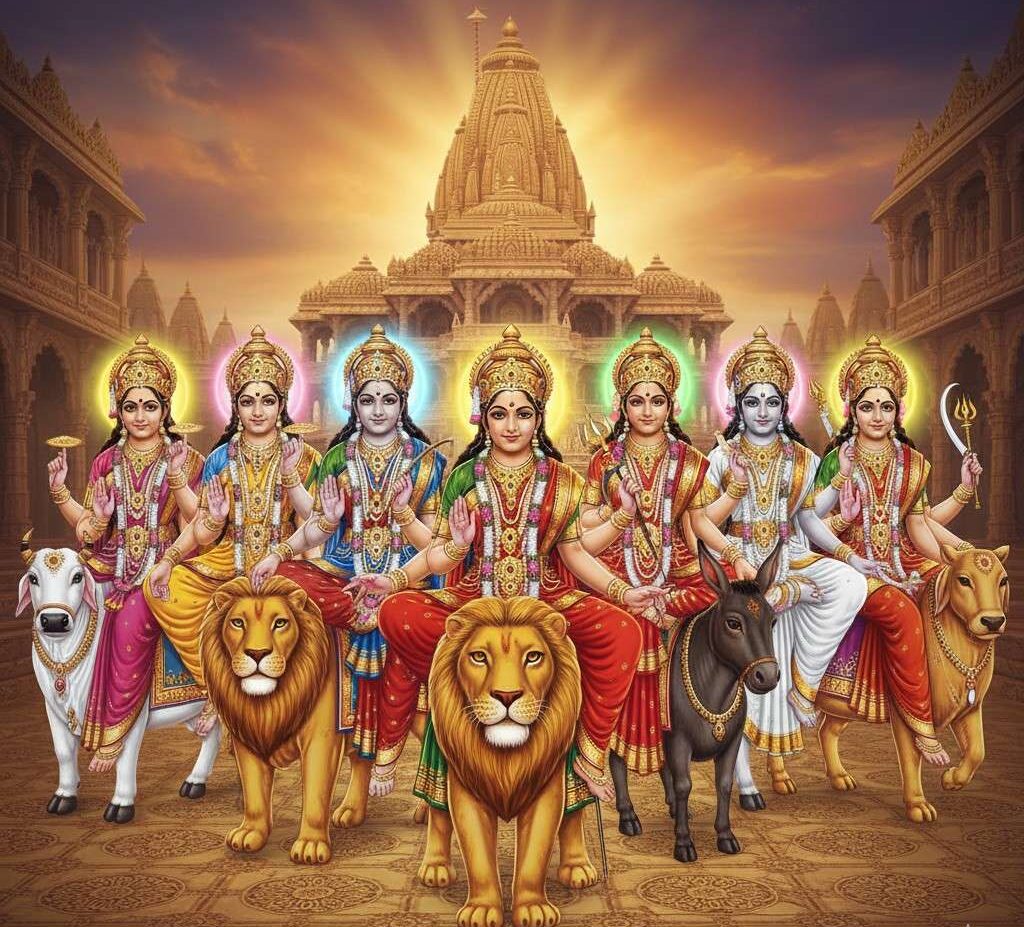
The concept of Nava-Durga—nine manifestations of the Goddess—represents a gradual spiritual ascent. Each form signifies a unique dimension of divine power and a stage in the devotee’s inner journey:
- Shailaputri – stability, grounding, and new beginnings
- Brahmacharini – discipline, devotion, and austerity
- Chandraghanta – courage, serenity, and emotional balance
- Kushmanda – creativity, cosmic energy, and new possibilities
- Skandamata – nurturing strength, selfless love, protection
- Katyayani – determination, justice, and the warrior spirit
- Kalaratri – destruction of fear, confronting inner shadows
- Mahagauri – purity, transformation, inner cleansing
- Siddhidatri – wisdom, fulfillment, and spiritual accomplishment
Philosophically, these nine forms represent the unfolding of human consciousness—from material concerns to spiritual awakening. The journey through Navratri mirrors the soul’s progression from grounding and discipline to courage, transformation, and ultimately divine realization. The festival thus becomes a symbolic practice of self-purification and inner victory, echoing the message that true power lies in balance, awareness, and devotion.
When Navratri Happens & How Dates Are Calculated
Lunar Calendar Basis (Tithis, Hindu Lunisolar System)
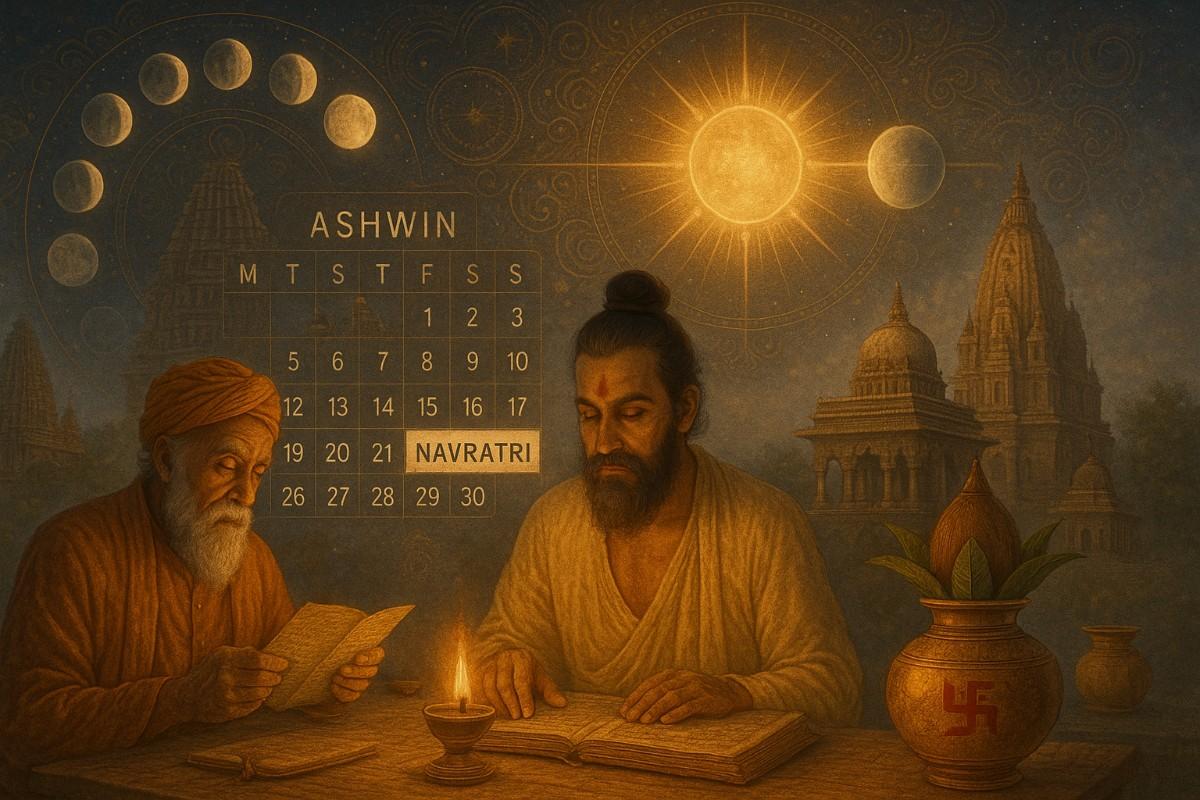
Navratri is determined by the Hindu lunisolar calendar, which blends the movements of the moon with the cycle of the sun. The festival always begins on the Pratipada (first lunar day) of the bright half (Shukla Paksha) of a particular month. Because lunar months shift slightly each year, Navratri dates also vary when viewed through the Gregorian calendar.
The calculation relies on tithis, or lunar phases, each representing an angular distance between the sun and the moon. Navratri spans nine consecutive tithis—from Pratipada to Navami—during which devotees observe rituals linked to the waxing moon. Priests and astrologers use Panchang (Hindu almanacs) to determine accurate timings for important rituals such as Ghatasthapana, ensuring they align with auspicious planetary combinations.
Different Types of Navratri
Sharad/Shardiya Navratri (Autumn)
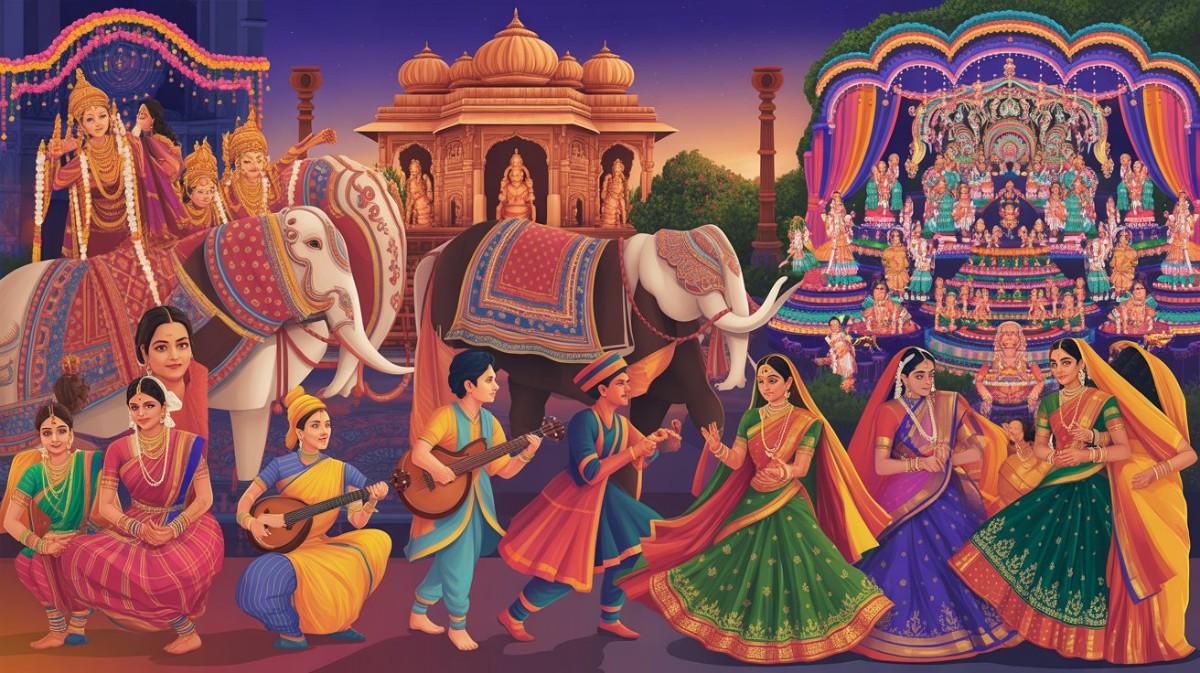
Sharad Navratri is the most widely celebrated and spiritually significant version of the festival. It takes place in the month of Ashwin (September–October) during the post-monsoon harvest season. This Navratri culminates in Vijaya Dashami or Dussehra and is associated with the victory of Goddess Durga over Mahishasura. Most major cultural traditions—Garba in Gujarat, Durga Puja in Bengal, and Kanya Pujan in North India—revolve around this autumn celebration.
Chaitra/Vasant Navratri (Spring)
Chaitra Navratri occurs during the month of Chaitra (March–April), marking the beginning of the Hindu New Year in many regions. This Navratri is closely linked to Rama, as it ends with Rama Navami, the day Lord Rama is believed to have been born. Many devotees observe fasting and perform rituals to welcome the new season, viewing it as a time of renewal and fresh beginnings.
Magha and Ashadha Gupt Navratris (Lesser-Known)
The Magha (January–February) and Ashadha (June–July) Navratris are known as Gupt (hidden or secret) Navratris. These versions focus on esoteric spiritual practices, meditation, and tantric forms of worship rather than public celebrations. While not widely observed by the general public, they hold significant importance for spiritual seekers and practitioners who engage in deeper forms of sadhana.
Key Days and Rituals (Pratipada, Ashtami, Navami, Dussehra)
Pratipada:
Navratri begins on this first lunar day. Devotees perform Ghatasthapana or Kalash Sthapana, symbolically invoking the presence of the Goddess in their homes or temples. This ritual marks the start of the nine-night journey.
Ashtami:
The eighth day is considered one of the most powerful and sacred. Many communities observe Durga Ashtami with special pujas, havans, and recitations from the Devi Mahatmya. In several regions, Kanya Pujan—the worship of young girls as embodiments of the Goddess—is performed on Ashtami or Navami.
Navami:
On the ninth day, devotees complete their fasting, offer special prayers, and honor the ninth form of the Goddess. This day signifies fulfillment, spiritual attainment, and the closing of the main rituals.
Dussehra (Vijaya Dashami):
The tenth day marks the victory of good over evil. It commemorates both Durga’s triumph over Mahishasura and Rama’s victory over Ravana. Dussehra is celebrated with processions, symbolic enactments of the Ramayana, and the immersion of Durga idols. It represents the culmination of the transformative journey of Navratri.
The Nine Days – Nava Durga (Day-by-Day Breakdown)
Overview: Nine Forms and Their Significance
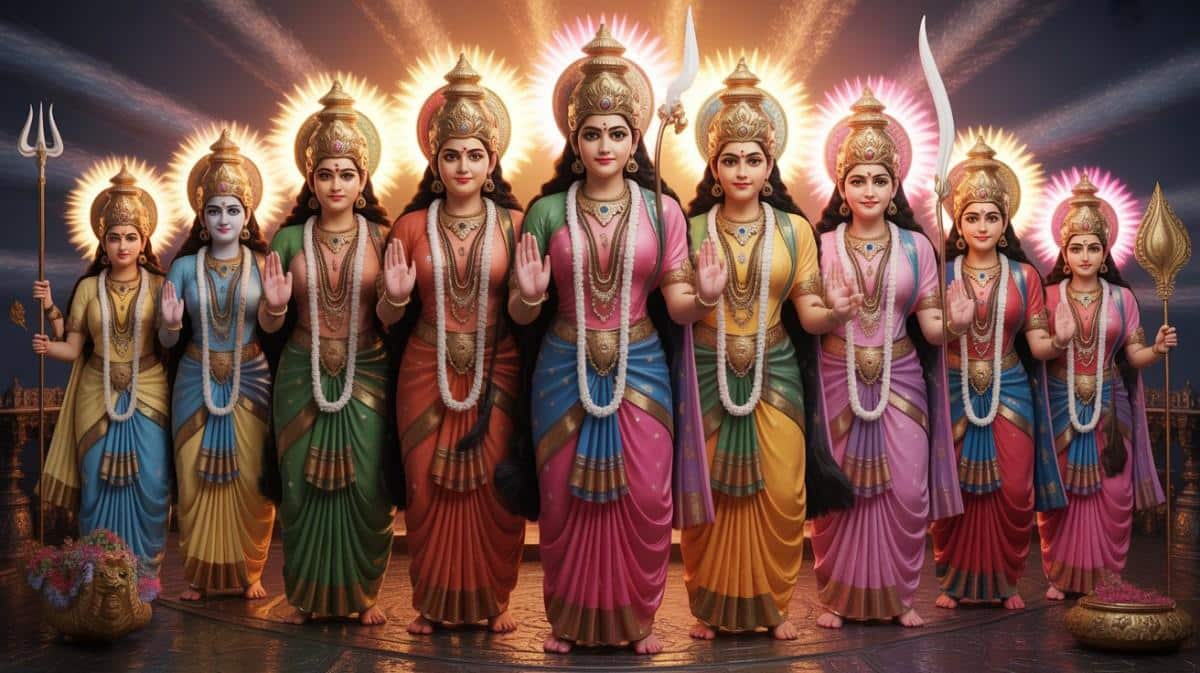
Navratri’s spiritual structure is built around the worship of the nine forms of Goddess Durga, collectively called Nava Durga. Each form represents a distinct energy that guides the devotee from grounding and discipline to transformation and spiritual fulfillment. The nine days act as a symbolic journey: beginning with physical stability, moving through emotional clarity, and culminating in divine realization. Every day has its own colour, associated qualities, and traditional rituals that enhance the spiritual experience.
Day 1 – Shailaputri
Symbolism: Represents new beginnings, stability, and purity.
Colour: Grey or red (depending on tradition).
Rituals: Ghatasthapana is performed, invoking the Goddess into the home. Devotees offer pure ghee, flowers, and perform grounding prayers.
Mantra: Om Devi Shailaputryai Namah
Day 2 – Brahmacharini
Symbolism: Embodies tapas (austerity), devotion, and perseverance.
Colour: White, symbolizing purity and clarity.
Rituals: Offer sugar or fruits; many commit to deeper fasting on this day. Meditation and disciplined living are emphasized.
Mantra: Om Devi Brahmacharinyai Namah
Day 3 – Chandraghanta
Symbolism: Signifies courage, inner strength, and emotional peace.
Colour: Royal blue or yellow, representing bravery and tranquility.
Rituals: Devotees offer milk or milk-based sweets. Rituals focus on dispelling fear and invoking protection.
Mantra: Om Devi Chandraghantayai Namah
Day 4 – Kushmanda
Symbolism: Known as the creator of cosmic energy, she brings warmth, light, and growth.
Colour: Green, symbolizing harmony and prosperity.
Rituals: Offer pumpkin, sweet dishes, and flowers. This day is believed to energize the devotee and remove blockages.
Mantra: Om Devi Kushmandayai Namah
Day 5 – Skandamata
Symbolism: Represents maternal care, compassion, and divine protection.
Colour: Yellow or orange, associated with joy and auspiciousness.
Rituals: Offer bananas and perform peaceful prayers. This day is ideal for seeking blessings for family and children.
Mantra: Om Devi Skandamatayai Namah
Day 6 – Katyayani
Symbolism: A fierce warrior form symbolizing courage, justice, and determination.
Colour: Red, representing power and passion.
Rituals: Offer honey and invoke the Goddess for strength, breakthroughs, and removal of obstacles.
Mantra: Om Devi Katyayanyai Namah
Day 7 – Kalaratri
Symbolism: The destroyer of negativity, fears, and illusions.
Colour: Dark blue or black, reflecting the night sky and powerful transformation.
Rituals: Offer jaggery or sesame. This day focuses on inner cleansing and confronting emotional shadows.
Mantra: Om Devi Kalaratryai Namah
Day 8 – Mahagauri
Symbolism: Purity, peace, and inner refinement.
Colour: Pink or white, representing serenity and compassion.
Rituals: Offer coconut, kheer, and fragrant flowers. Many perform Kanya Pujan on this day to honor the pure feminine energy.
Mantra: Om Devi Mahagauryai Namah
Day 9 – Siddhidatri
Symbolism: Bestower of siddhis (spiritual powers), knowledge, and enlightenment.
Colour: Purple or sky blue, symbolizing wisdom and fulfillment.
Rituals: Offer sesame seeds, fruits, and prayers for completion and spiritual success. This day marks the culmination of the Navratri journey.
Mantra: Om Devi Siddhidatryai Namah
Regional Variations of Navratri
West Bengal – Durga Puja Rituals, Pandals, Immersion
In West Bengal, Navratri transforms into the grand spectacle of Durga Puja, where the focus lies on elaborate artistic pandals, cultural performances, and devotional music. The celebration begins with Mahashashthi when the face of the Goddess is unveiled, followed by daily rituals like pushpanjali, aarti, and community feasting. The entire region becomes a canvas of creativity, with each pandal designed around unique themes ranging from mythology to contemporary art. The festival concludes with Vijaya Dashami and the emotional ritual of Sindoor Khela before the idols are immersed in rivers, symbolizing the Goddess’s return to her celestial abode.
Gujarat – Garba & Dandiya Raas Culture
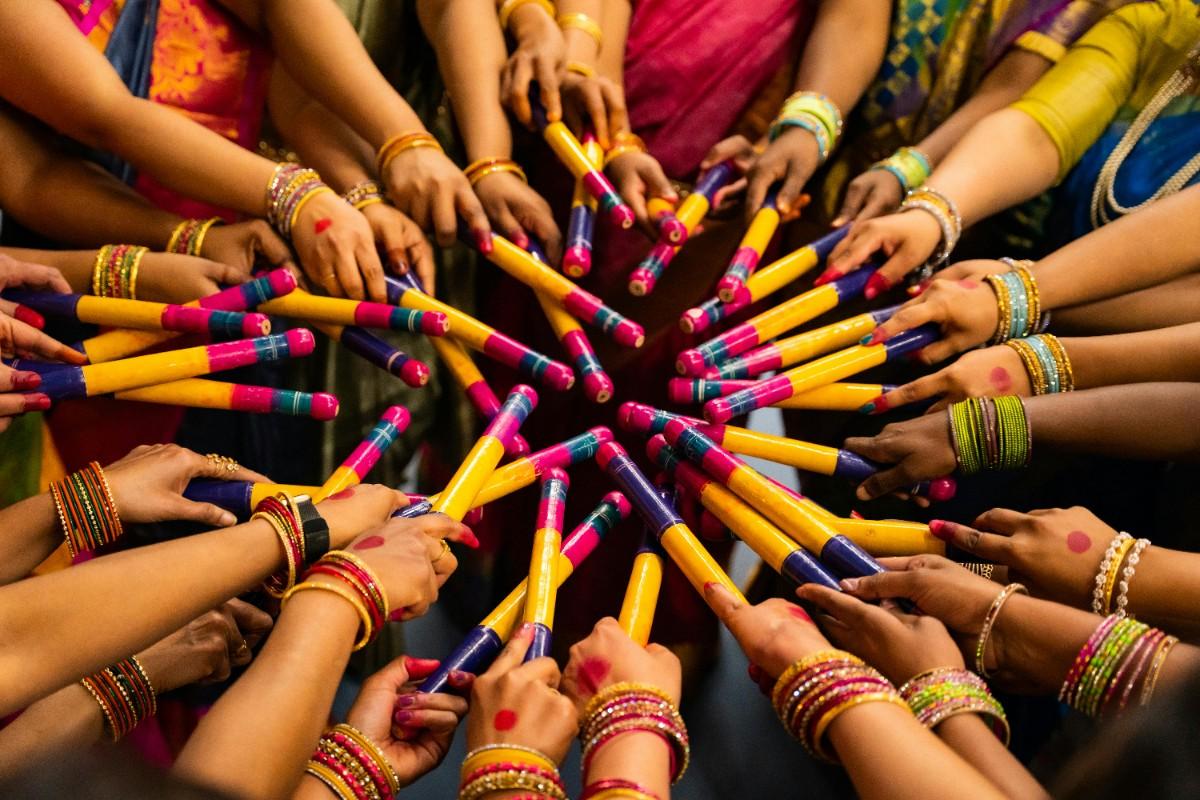
In Gujarat, Navratri is synonymous with vibrant nights of Garba and Dandiya Raas, making it one of the most energetic celebrations in India. Communities gather in large open grounds adorned with colourful lights, traditional music, and rhythmic beats of the dhol. Garba, which involves dancing in circular formations around a lit lamp or an image of the Goddess, symbolizes the cyclical nature of life. Dandiya Raas adds a playful, festive element as dancers use decorated sticks to create rhythmic patterns. Dress traditions such as chaniya cholis and kediyu further enhance the cultural spirit, turning Navratri into a dance-driven celebration of devotion and joy.
Maharashtra – Community Pujas & Cultural Traditions
Maharashtra celebrates Navratri through community-focused rituals that include setting up mandals for daily worship, performing aarti, and organizing cultural gatherings. Many families observe fasting and host Bhondla or Hadga, a traditional women’s folk event featuring songs and symbolic games. Cities like Mumbai also witness large-scale Navratri events with music, dance, and devotional performances. The final day, Dussehra, is marked by exchanging Apta leaves as tokens of prosperity and victory, symbolizing Rama’s triumph and the blessings of Goddess Durga.
Tamil Nadu, Karnataka, Andhra – Golu Displays & Temple Celebrations
In South India, the highlight of Navratri is the beautifully arranged Golu or Bommai Kolu, where dolls and figurines are placed on stepped displays. These dolls depict gods, goddesses, scenes from scriptures, village life, and cultural stories, turning homes into artistic storytelling spaces. Women invite each other for Haldi Kumkum and exchange small tokens known as vettalai paaku. Temples across Tamil Nadu, Karnataka, and Andhra Pradesh hold special alankarams, classical music concerts, and devotional programs. The celebration emphasizes creativity, hospitality, and the nurturing qualities of the feminine divine.
North India – Ram Lila, Dussehra, Community Gatherings
In North India, Navratri carries a strong connection to the Ramayana. The nine days feature performances of Ram Lila, theatrical reenactments of Rama’s life leading up to his victory over Ravana. Many devotees observe fasting, visit temples, and participate in Kanya Pujan to honour the divine feminine. Dussehra is celebrated with community fairs, burning effigies of Ravana, and showcasing dramatic retellings of good triumphing over evil. This blend of devotion, theatre, and community celebration makes North Indian Navratri both spiritual and socially vibrant.
Global Diaspora Celebrations – Modern Adaptations
Across the world—in the United States, Canada, the UK, Australia, Africa, and Southeast Asia—the Indian diaspora celebrates Navratri with a blend of tradition and modernity. Large convention centres and community halls host Garba nights, Dandiya events, and Durga Puja gatherings that bring together diverse cultures. Many groups incorporate multilingual announcements, fusion music, and inclusive activities to accommodate global audiences. Virtual pujas, live-streamed Garba sessions, and cultural workshops have become common, ensuring that the spirit of Navratri stays alive even far from India. These global celebrations reflect how adaptable and universal the festival has become, carrying its essence into multicultural environments.
Social, Cultural & Economic Impact
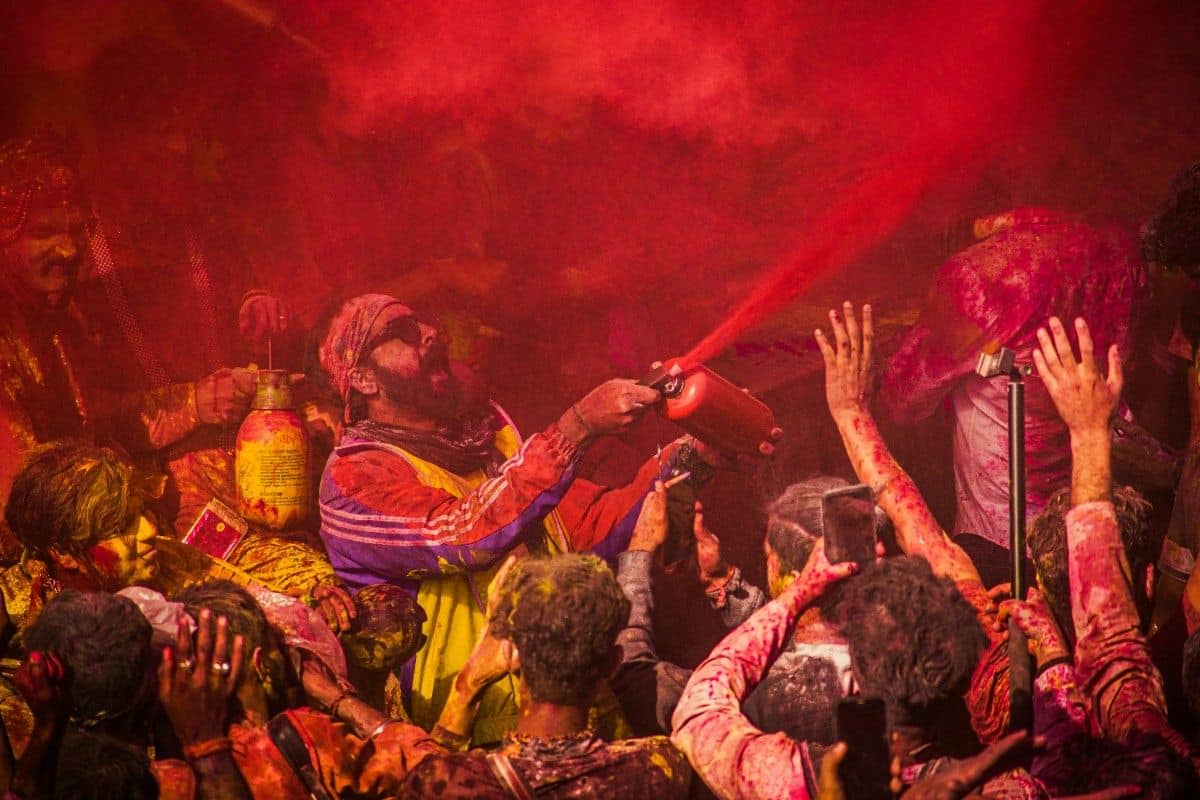
Festival Economy – Artisans, Cloth Markets, Food Stalls, Lights
Navratri creates a vibrant festival economy that supports thousands of artisans, craftsmen, and small businesses across India. Traditional artisans who make idols, decorative items, Garba accessories, and temple ornaments see one of their busiest seasons during this period. Cloth markets thrive as people purchase colourful chaniya cholis, kurtas, dupattas, and Garba accessories, often designed with intricate mirror work and embroidery unique to the festival. Food stalls and local eateries flourish around Garba venues and temple areas, offering fasting-friendly snacks, sweets, and regional delicacies. Likewise, lighting businesses, stage decorators, and sound technicians receive high demand for community events, pandals, and night-long celebrations. Navratri, therefore, becomes a seasonal economic engine that fuels local livelihoods and keeps traditional crafts alive.
Empowerment & Gender Dynamics – Feminine Divine, Community Participation
Navratri places the feminine divine at the centre of worship, celebrating the power, resilience, and nurturing qualities of Goddess Durga. This symbolic focus on Shakti influences modern gender perspectives by highlighting the importance of women in cultural and community spaces. Many rituals such as Kanya Pujan, Haldi Kumkum gatherings, and women-led Garba performances reinforce the respect associated with feminine energy. Additionally, Navratri creates safe and inclusive spaces where women participate freely in art, dance, leadership, and community coordination. In many regions, women’s self-help groups and local entrepreneurs also use this time to showcase handmade products, food items, and clothing, fostering economic independence and visibility.
Environmental Issues – Immersion Waste, Eco-Friendly Idols
As Navratri celebrations grow in scale, environmental concerns have become increasingly important. Traditional idol immersion in rivers and lakes often leads to pollution caused by chemical paints, plaster of Paris, and non-biodegradable decorative materials. Public Garba venues also generate large amounts of waste such as plastic, thermocol, and disposable food packaging. In response, many communities are shifting toward eco-friendly practices, including clay idols, natural dyes, biodegradable décor, and designated artificial immersion tanks. Environmental groups and temples also promote waste segregation, reusable materials, and responsible disposal methods. These efforts mark a shift toward a more sustainable celebration that honours the Goddess while protecting nature.
Changing Patterns of Celebration in Urban Spaces
Urban celebrations of Navratri are evolving due to modern lifestyles, space limitations, and technological influences. Large housing societies and community halls now replace traditional village courtyards, hosting organized Garba events with sound systems, LED lighting, and professional choreography. Corporate offices and educational institutions participate by organizing themed Navratri days, cultural evenings, and charity events. Digital platforms have introduced virtual Garba, online pujas, and live-streamed rituals, allowing participation for those living abroad or unable to attend physically. At the same time, urban families increasingly prefer minimalist home altars, quick rituals, and community-based celebrations that blend tradition with convenience. These changing patterns reflect the festival’s ability to adapt while maintaining its spiritual and cultural essence.
Conclusion
The Contemporary Relevance of Worshipping the Feminine Divine
In today’s world, the worship of the feminine divine during Navratri holds powerful contemporary meaning. As society increasingly recognizes the importance of gender equality, emotional strength, empathy, and resilience, the celebration of Goddess Durga becomes a symbolic reminder of these values. The nine forms of the Goddess represent courage, knowledge, compassion, and transformation—qualities that resonate deeply in modern life. By honouring the feminine divine, Navratri encourages respect for women, nurtures cultural identity, and reinforces the idea that true strength includes both power and grace. This makes the festival not just a religious observance but a spiritual lens through which communities reflect on balance, empowerment, and harmony.
Navratri as a Symbol of Renewal, Victory & Cultural Unity
Navratri continues to stand as a symbol of renewal and the timeless triumph of good over evil. Each year, devotees embark on a journey of cleansing the mind and heart, letting go of negativity, and inviting positive transformation. The festival’s rituals, fasting, music, Garba nights, and community gatherings create a sense of unity that cuts across regions, languages, and generations. Whether celebrated through Durga Puja in the East, Garba in the West, Golu in the South, or Ram Lila in the North, Navratri weaves diverse traditions into a shared cultural fabric. It reminds people that despite differences in customs, the essence of faith, joy, and togetherness remains universal. In this way, Navratri continues to be a living expression of victory—of light over darkness, hope over despair, and community over isolation.
If you want to learn more about Indian festivals, you can explore here.dionfest